Positive Digital Practices - Positive Pedagogies
Materials from the Positive Digital Practices project.
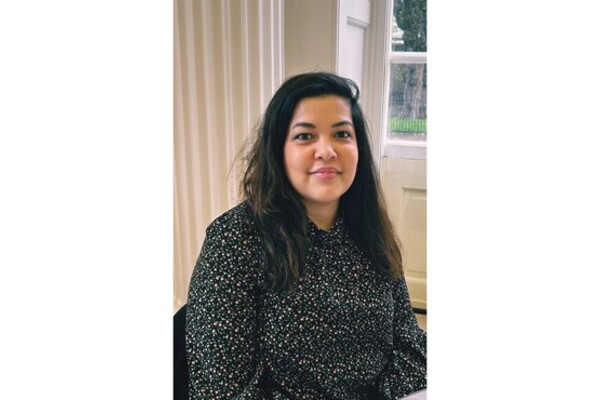
In the final part of her blog series on positive digital practices, UMHAN member and Mental Health Adviser for the University of Sunderland, Ashley Cave, talks about positive pedagogies.
The Warwick Wellbeing Pedagogies Library is a fantastic resource which has been co-developed by students and teachers in order to share practice and support our community to embed and sustain wellbeing in the curriculum, when planning modules, courses, and assessments. It provides guidance and practical examples to build learning environments that are student centred, emotionally intelligent and have intercultural and international integration at the heart. In the current context, protecting student and staff wellbeing is ever more important and the Wellbeing Library helps us to respond to this renewed challenge.
Dr Rebecca Freeman, Dean of Students, University of Warwick.

A tool to be utilized by teaching staff, using the link below staff can access practical tips to apply into modules that will create a learning environment that can support and sustain positive wellbeing experiences. We know from the literature that staff and students’ wellbeing is interlinked to learning environment and learning experience.
Watch the short introduction video in the home page or spend time exploring the section ‘about the library’ to get further information on how this resource can be best utilized. Each section of the library is broken down into summary, theory, measurable benefit, how it works and a practical example of the pedagogy is carried out in practice.

Last, but not least, the assessment guidance highlights key elements important to supporting the wellbeing of part-time, commuter, distance and mature students. The literature has indicated that these students can be ‘hard to hear,’ often struggling with a sense of belonging to their designated higher education institution.
Best Practice Assessment Guidance for Part time, Commuter, Distance and Mature Students